Grandfather Clock Moving Costs

Longer distances and difficult access points increase moving costs due to additional labor and transportation requirements.
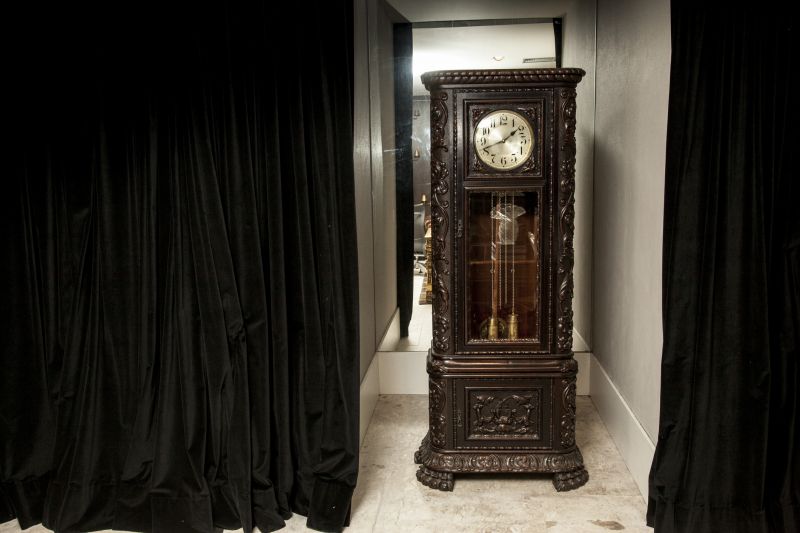
Heavier and larger clocks require specialized equipment and handling, which can elevate service charges.

Options such as enclosed trailers or climate-controlled vehicles influence the overall price based on security and preservation needs.
| Factor | Impact on Cost |
|---|---|
| Distance | Increases with longer travel routes |
| Clock Size | Larger clocks incur higher handling fees |
| Fragility | More delicate clocks require extra care |
| Transport Method | Premium options raise costs |
| Preparation Time | Additional time adds to labor charges |
| Access Conditions | Limited access areas increase complexity |
| Insurance | Coverage adds to overall expense |
| Seasonal Demand | Peak times may elevate prices |
The cost of relocating a grandfather clock varies based on these factors, with typical prices ranging from moderate to premium levels depending on complexity. Proper planning and detailed assessments can help estimate expenses accurately, ensuring a smooth moving process.

Disassembly and careful handling of internal components are necessary, affecting labor costs.
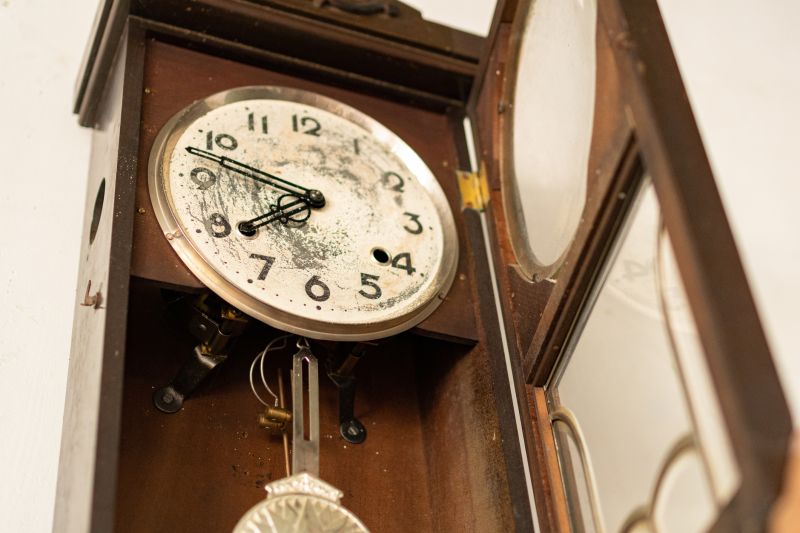
Delicate parts like the face and dial require extra protection, influencing packing expenses.

These components need secure packing to prevent damage, impacting overall costs.
| Service | Average Price Range |
|---|---|
| Standard Clock Moving | $200 - $500 |
| Full Disassembly and Reassembly | $300 - $700 |
| Custom Crating | $150 - $400 |
| Insurance Coverage | $50 - $150 |
| Long-Distance Moving | $500 - $1500 |
| Urgent or Same-Day Service | $600 - $2000 |
| Indoor Staircase Handling | $250 - $600 |
| Climate-Controlled Transport | $700 - $2000 |
| Specialized Handling for Antique Clocks | $400 - $1000 |
| Interior Placement and Setup | $200 - $600 |